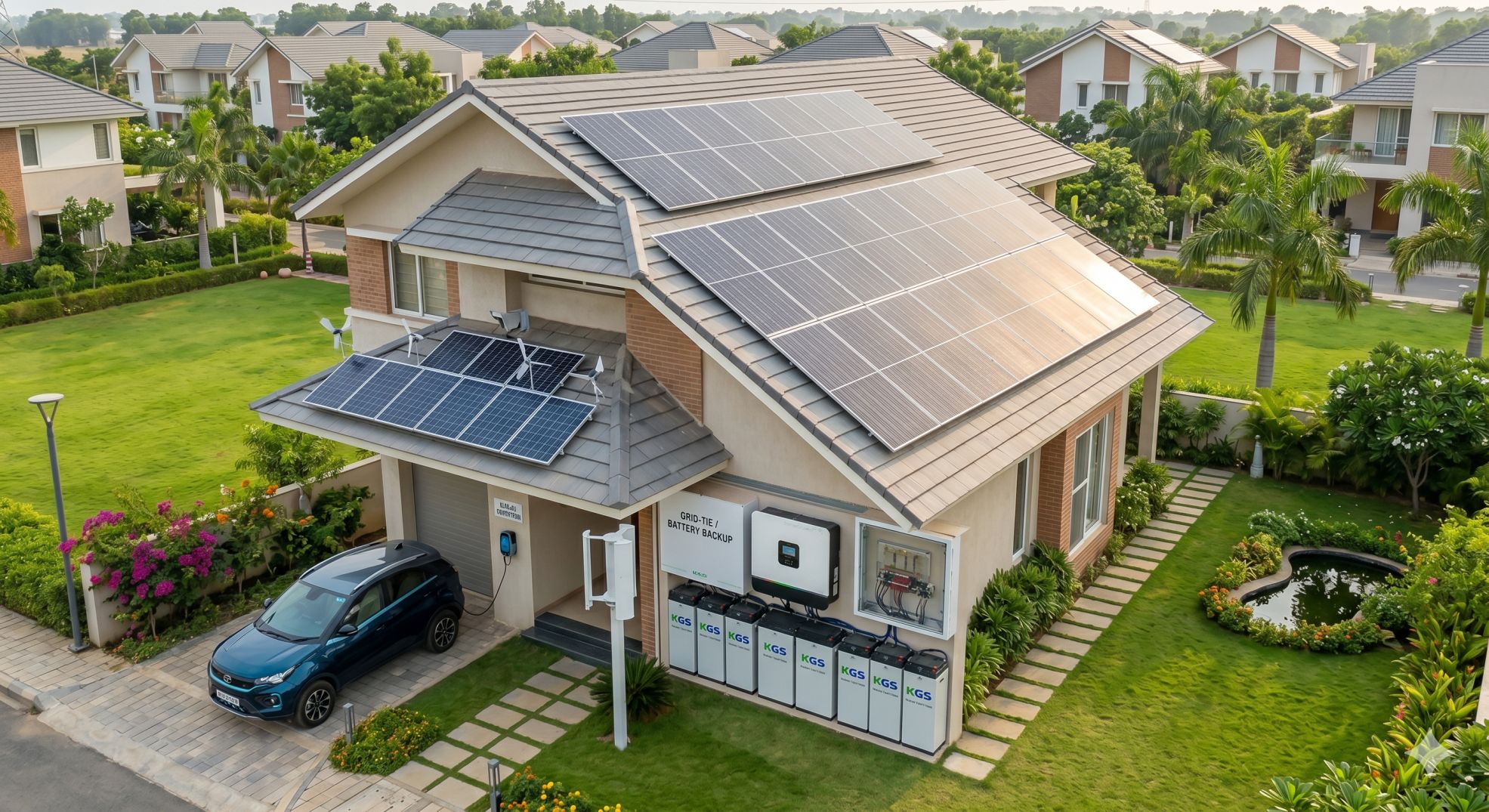
As the world moves towards a more sustainable future, renewable energy is becoming increasingly important. Among the options, solar has emerged as a major contender, and hybrid solar panels are the latest innovation in the field.
Hybrid solar is the combination of two or more renewable energy sources, such as solar, wind, or biological. This innovative approach enables energy production efficiencies, reduces reliance on fossil fuels, and reduces greenhouse gas emissions — giving you the best of all worlds.
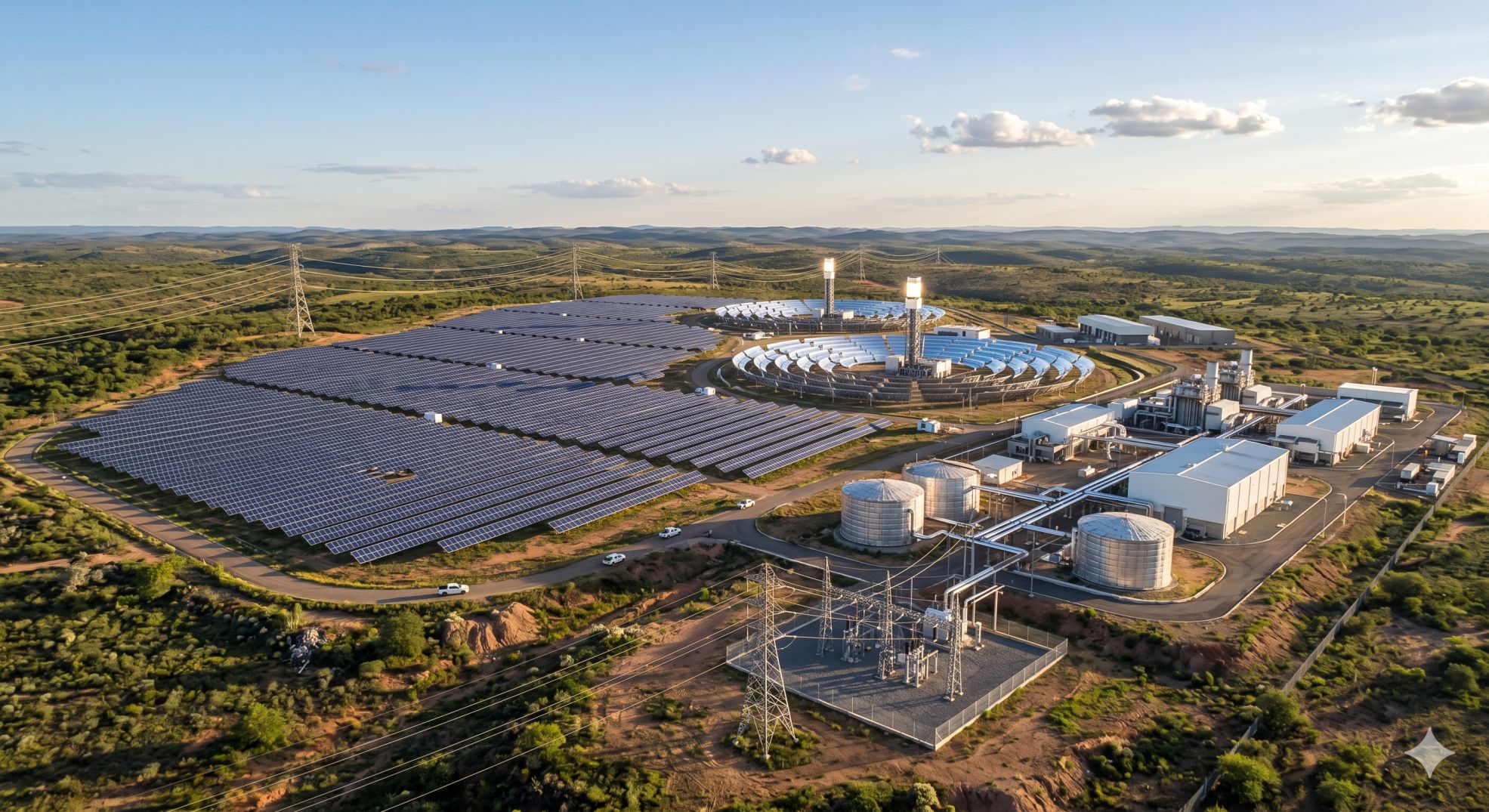
Photovoltaic panels convert sunlight into direct-current electricity through photovoltaic cells. These form the primary generation layer of the hybrid system, operating at peak efficiency during daylight hours.
Wind turbines harness wind energy to generate electricity, complementing solar generation particularly during nighttime, overcast conditions, or seasons with reduced solar irradiance — ensuring continuous power production.
A battery bank ESS stores excess energy generated by solar and wind power systems for use during periods of low generation, providing a stable and reliable energy buffer for uninterrupted power delivery.
By combining multiple energy sources, hybrid solar panels produce more electricity than traditional single-generation systems, maximizing output throughout the day and night.
With multiple power sources, hybrid systems continue generating electricity even during periods of low sunlight or calm winds, delivering superior uptime versus single-source systems.
The ESS can be intelligently optimized to reduce energy storage costs and increase overall system efficiency, making the hybrid approach more economical over the long term.
Hybrid solar panels help stabilize the utility grid by providing frequency regulation and voltage support, making them an essential contributor to smart grid infrastructure.
A hybrid solar power plant combines two or more renewable energy sources — typically solar PV and wind turbines — with an energy storage system (battery bank). This setup enables continuous electricity generation across varying weather conditions and times of day, delivering more reliable power than either system alone.
Hybrid systems offer the benefits of both: they can feed excess energy to the grid (like on-grid) while also providing battery backup for outages (like off-grid). They are the most versatile and resilient choice for businesses and institutions that need uninterrupted, high-capacity power supply.
While hybrid systems have a higher initial investment than pure on-grid systems, the increased energy production and reduced storage costs deliver strong ROI. Most commercial and industrial clients achieve payback within 5–7 years, with the system generating savings for 25+ years afterward.
Yes. Hybrid components including wind turbines, additional panels, and battery storage can often be retrofitted to an existing solar installation. Our engineering team will assess your current setup and design a seamless hybrid upgrade plan tailored to your site and energy requirements.
At Green Solar Energys, we are committed to pushing the boundaries of renewable energy. Our dedicated team handles everything from site feasibility and system design to procurement, installation, commissioning, and ongoing performance monitoring — ensuring your hybrid system operates at peak efficiency for decades.
At Green Solar Energys, we are dedicated to pushing this innovation forward, delivering clean energy solutions that benefit people and the planet. Contact us today to explore how a hybrid solar power plant can transform your energy future.